

Metals like copper, zinc, lead, and nickel are common substances in the environment. Some plants are especially good at extracting metals from the soil and storing them in their roots, shoots, or leaves. These are called hyperaccumulating plants. People use hyperaccumulating plants to clean up contaminated soil and water around the world. Hyperaccumulating plants can also be used to “mine” metals like nickel that are important for the economy, a concept called phytomining. However, scientists don’t yet understand how hyperaccumulating plants tolerate such high concentrations of metals.
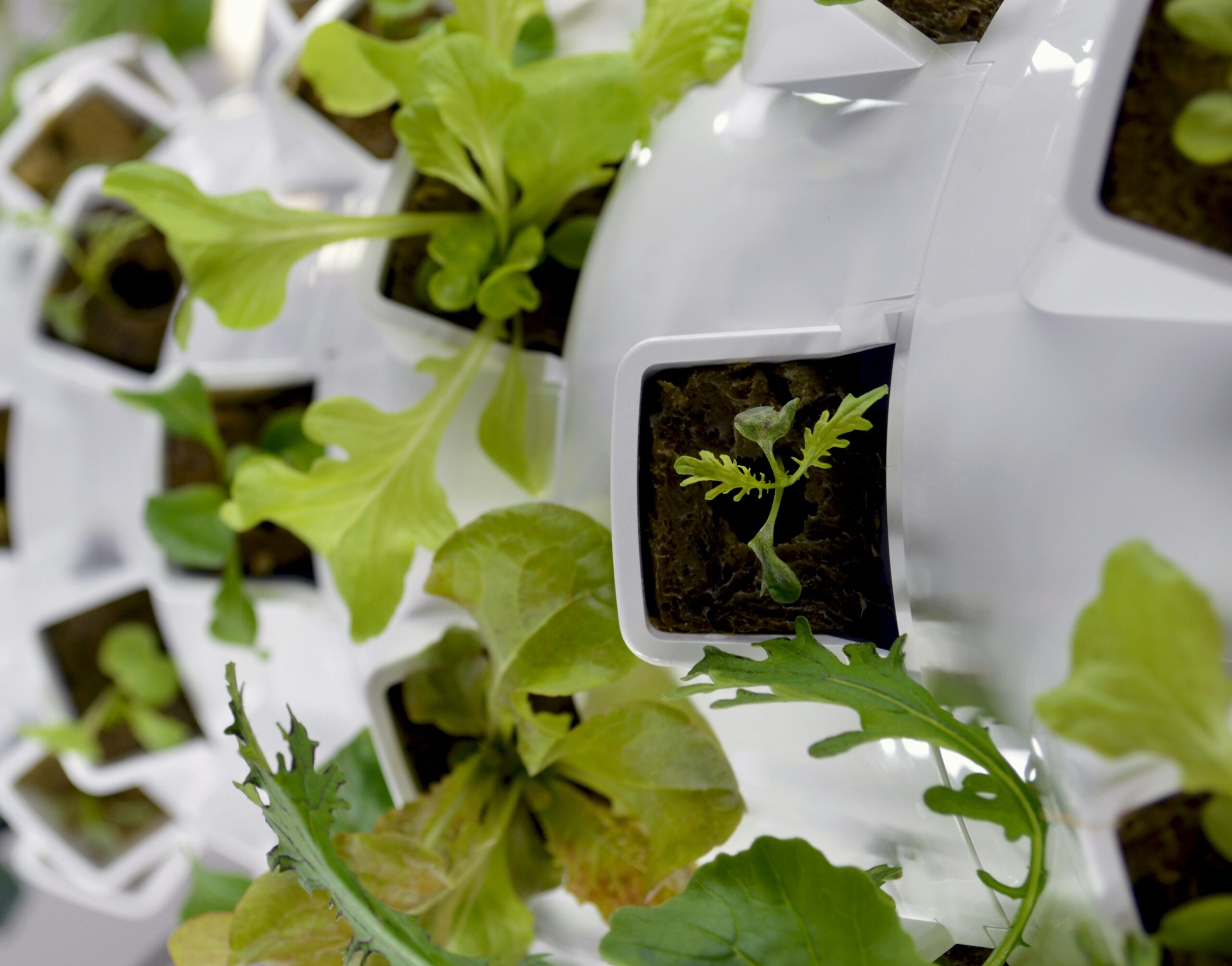
A team of researchers from France and the Netherlands wanted to know how the hyperaccumulating plant Bornmuellera emarginata responds to different nickel concentrations. They also wanted to know if different pH conditions would change nickel accumulation in the plants. Instead of soil, the team used a water-based setup, called a hydroponic system, to grow the plants for their experiments. They grew the B. emarginata seeds in potting soil for 2 weeks and then transferred them into the hydroponic system.
For the first experiment, the researchers added different amounts of nickel to a nutrient solution they fed the plants. They used 4 nickel conditions: a control condition with no nickel, a low condition with 1 micromolar (µM) nickel, a medium condition with 10 µM nickel, and a high condition with 100 µM nickel. For the second experiment, the researchers used the same nickel concentration but changed the pH of the solution to 5.5, 6.5, and 7.5. They grew 6 replicate plants in each experimental condition.
After 4 weeks in the hydroponic system, the researchers measured the amount of nickel in each plant. To do this, they ground up half a gram of plant material and mixed it with hydrogen peroxide and nitric acid. The acids dissolved the fibrous parts of the plants, turning the solid plant into a liquid sample. They put the sample into a machine called an inductively coupled plasma atomic emission spectrometer, which heats the liquid and measures the number of nickel atoms in the vapor using plasma. The researchers used this machine to quantify the amount of metals in the plants’ roots and shoots.
They found that the average nickel concentration in the shoots increased from 90 milligrams per kilogram (mg/kg) in the low-nickel condition to 5,010 mg/kg in the high-nickel condition. This confirmed that B. emarginata is a nickel hyperaccumulating plant. Then they observed that the average nickel concentration in the shoots stayed between 5,100 and 6,000 mg/kg even at different pH levels. This suggested that pH does not impact the amount of nickel the plants accumulate.
The team also took measurements to determine if the plants were stressed by the high nickel concentrations. They measured the lengths, areas, and diameters of the plants’ roots and shoots. They also measured the water content in each plant by weighing it before and after drying. They found that the plants’ root and shoot sizes did not change with different nickel concentrations, but their water content decreased from 93% in the control condition to 79% in the high-nickel condition. The researchers hypothesized that this high nickel concentration caused the plants mild stress.
The researchers also used chemical analyses to determine plant health. Healthy plant leaves contain the green pigment chlorophyll, while stressed leaves have more of the yellow or red pigments called carotenoids. The researchers mixed ground plant leaves with ethanol and put the mixture in a device that measured how much light the plant material absorbed, called a spectrophotometer. Samples that contained more pigment allowed less light to pass through. Based on these analyses, they found that the total amounts of chlorophyll and carotenoids did not change with the different nickel treatments.
The team concluded that B. emarginata has a very high nickel tolerance. Although its average water content decreased at high nickel concentrations, the other measurements suggested no change in the plant’s health. The team proposed using this plant for phytomining because it showed minimal stress responses even at high metal concentrations. They recommended that future researchers conduct additional hydroponic projects to study the chemical factors that influence nickel accumulation.
